Room by room ideas for using moss artwork indoors
Why consider indoor moss wall art in each room
Indoor moss wall art has moved beyond a single accent wall in the living room. Its natural texture and calming presence suit many spaces, but not every room presents the same conditions. Light, humidity, and the room's purpose all affect how preserved moss panels perform and how they look. Before you place moss artwork in a bedroom, kitchen, or hallway, it helps to think about what each space needs. This article runs through the main points to check, room by room, so you can choose placements that work well and last.
Living room: the obvious starting point
The living room is where most people first imagine moss wall art. It is a shared space, often the largest room, and the one where you want to create a calm, welcoming atmosphere. A preserved moss installation can replace a painting or a set of shelves, adding depth without the upkeep of live plants. But there are a few things to check.
First, consider the wall's exposure to direct sunlight. Preserved moss does not need light to stay alive, but strong sun can fade its colour over time. A north-facing wall or a spot away from windows is ideal. Second, think about the size of the piece. A small panel on a large wall can look lost, while an oversized installation in a compact room may feel overwhelming. Measure the wall and let the moss panel fill roughly a third to half of the available space, leaving breathing room around it.
Third, look at the room's existing colour palette. Moss in deep green works with most neutrals, but if your living room has warm terracotta or bright yellow walls, a grey-green or sage-toned moss might blend more naturally. You can also mix moss with other natural materials like reclaimed wood or stone to tie the whole scheme together.
Bedroom: calm and texture without clutter
Bedrooms benefit from the quiet, textural quality of moss. The material absorbs some sound and softens the room visually, which helps create a restful space. But bedrooms often have less wall area, especially behind the bed or beside a wardrobe, so placement matters.
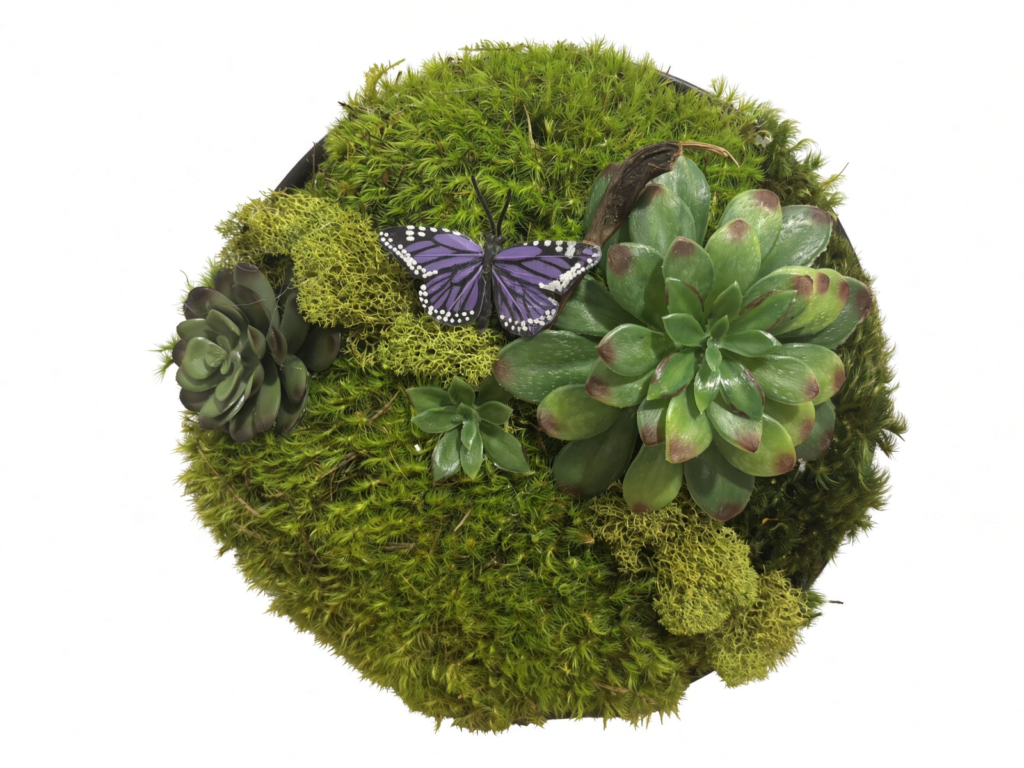
Check the wall behind the headboard. A moss panel here acts as a natural headboard alternative, adding softness without hard edges. Make sure the bed is not pushed tight against the moss, as constant contact could dislodge preserved fronds over time. A gap of a few centimetres is fine. Also check the humidity level. Bedrooms with en-suite bathrooms can have higher moisture, which is not a problem for preserved moss as long as the air is not damp all day. Occasional steam from a shower is fine, but direct contact with condensation should be avoided.
If you have a small bedroom, consider a vertical strip of moss rather than a wide panel. It draws the eye upward and makes the ceiling feel higher, without taking up floor space.
Kitchen: a surprising spot for moss
Kitchens are busy, warm, and sometimes steamy. Moss wall art might not seem an obvious fit, but it can soften the hard surfaces of tiles, metal, and stone. The key is choosing the right location.
Place moss artwork away from the hob and oven. Heat and grease are the main enemies of preserved moss. A wall beside the dining area, opposite the sink, or along a breakfast bar works well. Check that the moss is not above a radiator or toaster. Also check that the area stays reasonably ventilated; a kitchen with a good extractor fan will keep the air moving, which helps the moss stay dry and dust-free.
Size matters here too. A small or medium panel suits a kitchen, as it adds a green accent without competing with the room's function. You can also use a narrow strip above a backsplash to bring texture into an otherwise plain tiled area.
Home office: focus and natural connection
Biophilic design is popular in home offices for good reason. Natural materials reduce stress and improve concentration. Moss wall art fits that idea perfectly, but the office has its own conditions.
Check the position relative to your desk. A moss panel placed directly behind your monitor creates a calm backdrop for video calls and helps absorb some ambient noise. But avoid placing it where you might lean back and rub against it. Also check the lighting. If your office uses bright overhead lights or has a window that casts strong afternoon sun, the moss might fade more quickly. A wall that receives indirect daylight is best.
Another point: temperature. Offices can get warm from computers and monitors, but preserved moss handles typical indoor temperatures fine. Just keep it away from direct heat from a space heater or a sunny windowsill.
Hallway and entryway: first impressions
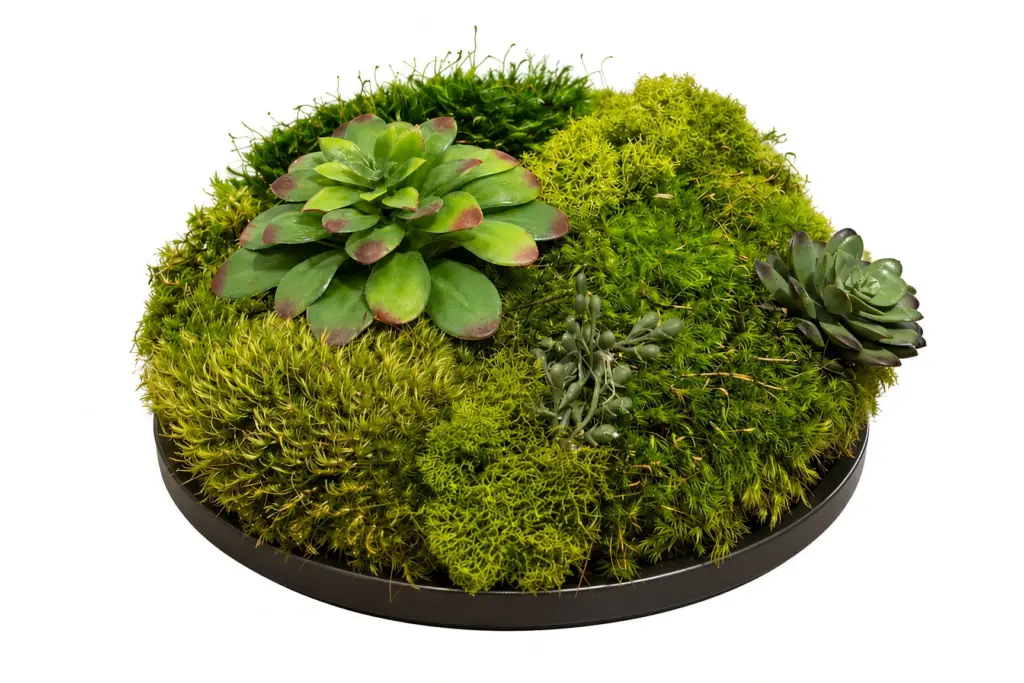
Hallways are often narrow, with little natural light. That makes them ideal for moss wall art, because moss does not need light to stay looking good. A moss panel here adds a striking natural element the moment someone steps inside.
Check the available wall width. In a narrow corridor, a wide panel can make the space feel tighter. A vertical panel or a series of small square panels arranged in a line works better. Also check the traffic flow. Moss that gets brushed by coats, bags, or shoulders every day may shed small pieces. Place it where people pass but do not touch. A spot above a console table or at the end of the hallway, where the wall is open, works well.
Dust can be a concern in hallways because they are high-traffic areas. A light dusting with a soft brush or a gentle blast from a hairdryer on cool setting keeps the moss looking fresh.
Bathroom: proceed with caution
Bathrooms have the most challenging conditions for any wall decoration. High humidity, temperature swings, and direct contact with water are common. Preserved moss can handle occasional moisture, but it is not waterproof.
If you want moss in a bathroom, choose a spot far from the shower or bath. A wall above the toilet or beside the vanity, where steam reaches only briefly, is acceptable. Check that the room has good ventilation, either a window or an extractor fan that runs after showers. Without it, the moss may develop mould or lose its colour. Also check that the moss is not in the splash zone from the sink. A small panel in a powder room, where there is no shower, is the safest choice.
Some people use moss as a backsplash alternative behind a sink. That is not recommended unless the moss is sealed behind glass, which defeats the tactile quality. Stick to dry zones only.
What to consider for any room
Beyond the specific room, there are a few universal checks. First, the wall surface should be clean, dry, and smooth. Moss panels attach best to painted drywall, wood, or tile. A textured wallpaper or a rough brick surface may need a mounting board first. Second, think about the weight. A large moss installation can be heavy, so use appropriate fixings for the wall type. Third, consider the colour and texture of the moss itself. Some mosses are deep green, others are lighter or have greyish tones. Choose one that complements the room's existing materials.
Brands like mosswallart.design offer preserved moss panels that are ready to mount, so you do not need to worry about maintenance or watering. The moss stays soft and green for years with minimal care. That makes it a practical choice for rooms where you want natural texture without the commitment of live plants.
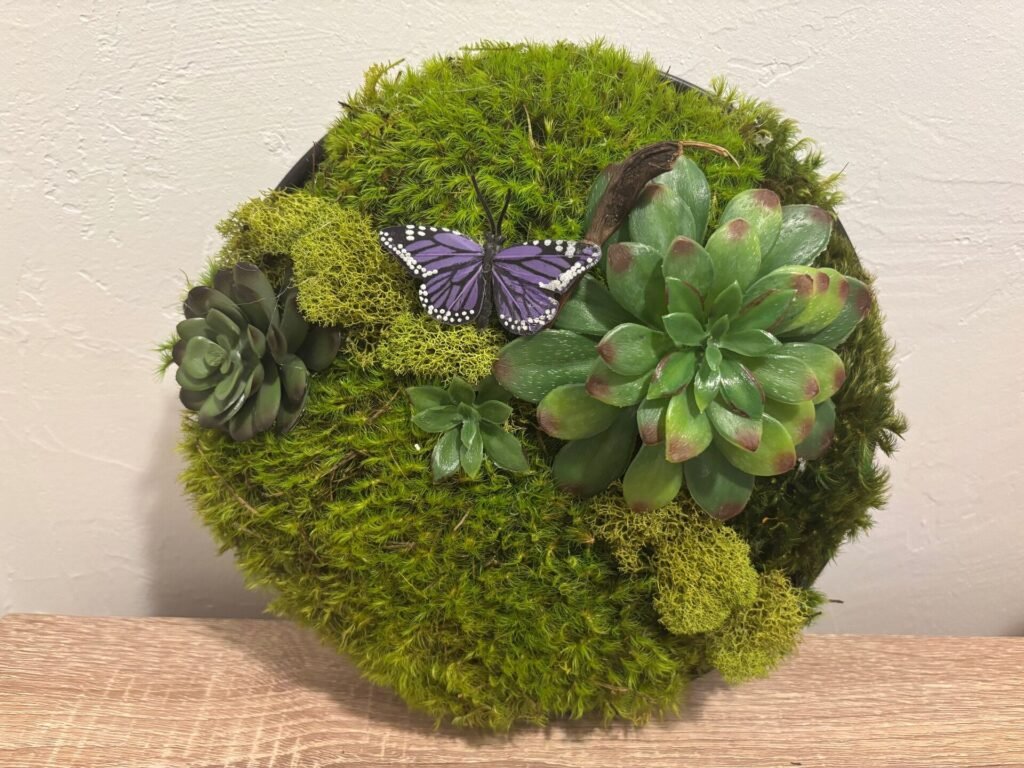
One more thing: think about the overall effect. Moss wall art works best when it forms part of a balanced interior. Pair it with natural wood, stone, or neutral fabrics. Avoid placing it next to synthetic materials or overly bright colours that compete for attention. The goal is a calm, cohesive look that lets the moss be the quiet star of the room.
If you prefer a more personal approach, you can also commission a custom shape or size that fits your wall exactly. Many suppliers, including mosswallart.design, allow you to send them your wall dimensions and choose a layout that matches your space. That way the moss artwork becomes a true part of the room, not just an afterthought.
In the end, the best room for moss is the one where it will be seen and appreciated. With a few simple checks on light, humidity, and placement, you can bring a piece of nature into almost any space in your home.
Ends · THETEXTUREEDIT